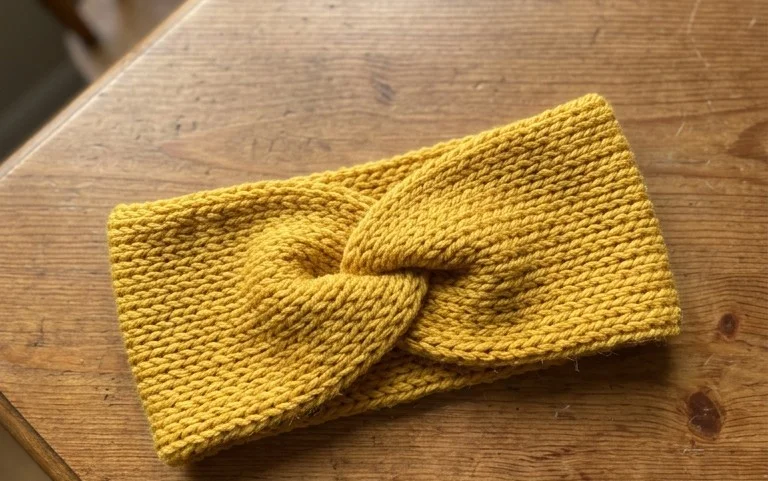
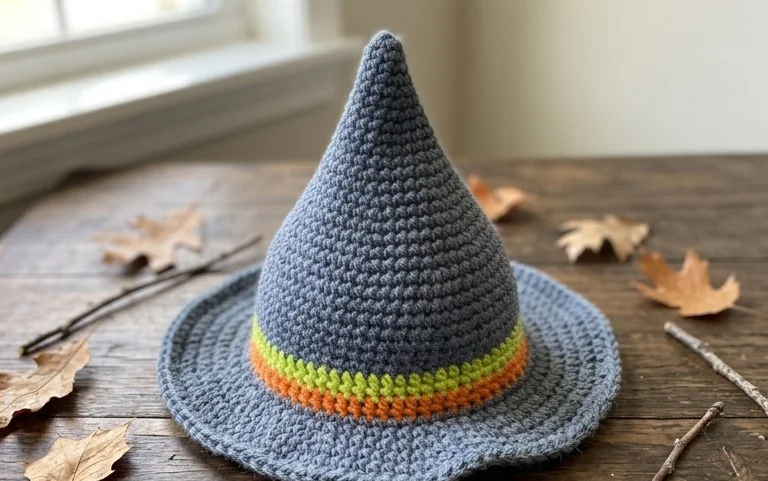
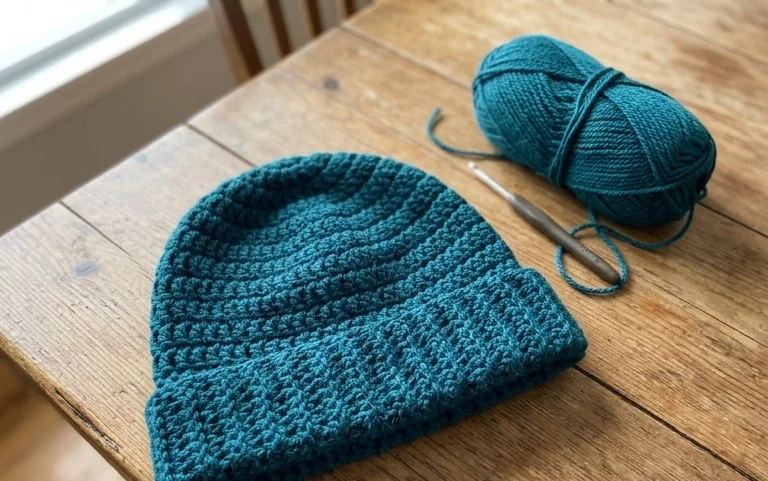
How to Size Crochet Beanies + Free Master Beanie Pattern
A well-fitted head warmer feels like a soft, knit-like hug on a windy day, keeping ears protected and hair in place without sliding down. This project offers a practical way to understand head measurements, ensuring your stitches result in a wearable accessory every single time. It is a rewarding experience for anyone who has struggled with store-bought hats that are too tight or lose their shape. You will learn the exact math behind resizing for any head, from toddlers to adults, using basic stitches that build a warm, stretchy fabric. Even beginners find this process builds confidence quickly.
Why You’ll Love This Pattern
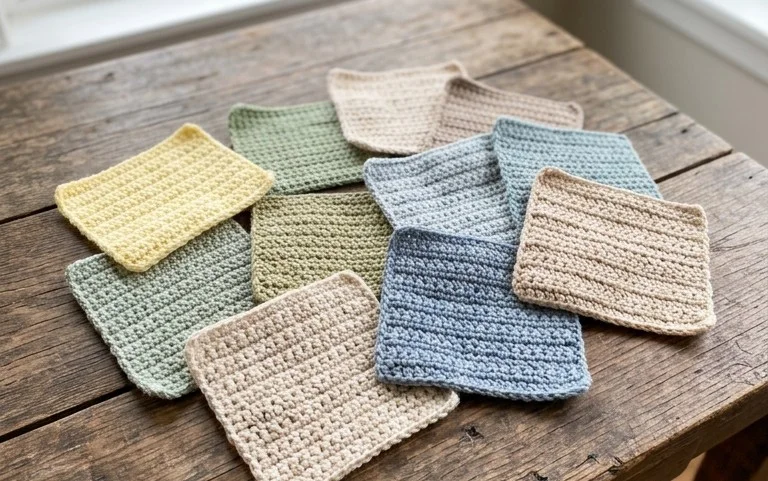
This classic crochet dishcloth is designed to be the ultimate workhorse in your kitchen. It uses a dense, textured stitch pattern that creates ridges for scrubbing stubborn spots while maintaining enough softness to protect delicate glassware. Because the project works up quickly using basic stitches, it is an ideal weekend afternoon task that yields immediate, tangible results. The rectangular shape provides a ergonomic grip for heavy-duty cleaning, and the sturdy cotton construction ensures it withstands high-temperature washing cycles without losing its structure.
I finished this dishcloth in one evening and was impressed by how well the texture grips onto soap. It is much more durable than store-bought sponges.
— Sarah, home crafter
Pattern Overview & Skill Level
- Skill Level: Beginner
- Approximate Time: 1 to 1.5 hours
- Construction: Worked in rows from the bottom up, turning at the end of each row.
- Finished Dimensions & Sizing: 8 inches by 8 inches.
Materials & Supplies Needed
- Yarn: Worsted weight (#4) 100% cotton yarn, approximately 75 yards. Cotton is necessary for heat resistance and absorbency.
- Hook Size: 5.0 mm / H-8.
- Notions: Tapestry needle for weaving in ends, scissors.
- Safe yarn substitutions: You may use a cotton-linen blend for increased durability, though this will slightly change the drape. Do not use acrylic yarn, as it lacks the absorbency required for cleaning and may melt if exposed to hot pots.
Stitch Guide & Abbreviations (US Terms)
- ch = chain
- sc = single crochet
- dc = double crochet
- st/sts = stitch/stitches
- sk = skip
- rep = repeat
- Special stitch: Moss Stitch (also known as linen stitch). It consists of alternating single crochet stitches and chain-one spaces. By skipping a stitch and working into the chain space of the row below, you create a dense, woven texture that does not stretch out of shape.
Step-by-Step Pattern Instructions
The pattern is worked back and forth in rows. The turning chain does not count as a stitch.
- Row 1: Ch 31. Sc in the 4th ch from the hook. *Ch 1, sk 1 ch, sc in the next ch. Rep from * until the end of the row. (15 sc, 14 ch-1 spaces)
- Row 2: Ch 2, turn. Sc in the first ch-1 space. *Ch 1, sk the sc, sc in the next ch-1 space. Rep from * across, ending with a sc in the last ch-1 space (the space created by the turning ch of the previous row). (15 sc, 14 ch-1 spaces)
- Rows 3–40: Repeat Row 2 until the piece measures 8 inches in height.
- Finishing: Fasten off the yarn, leaving a 6-inch tail. Use your tapestry needle to weave the tail back and forth through the base of the stitches on the wrong side of the cloth to secure it firmly.
Care & Washing Instructions
- Machine wash in warm water up to 60 degrees Celsius to remove grease and food particles.
- Lay the dishcloth flat on a clean towel to dry, as hanging it while heavy and wet may cause minor stretching.
- Reshape the cloth by pulling gently on the corners while damp if it appears slightly off-square after the spin cycle.
Pro Tips & Common Mistakes to Avoid
Maintain consistent tension throughout the project; if your tension varies, the cloth will have an uneven edge. If you find your edges are curling, your stitches might be too tight, so try relaxing your grip on the yarn or sizing up your hook by 0.5 mm. Always place a stitch marker in the first stitch of every row to ensure you do not accidentally drop stitches at the end of the rows, which is the most common cause of a triangular rather than square finished item. To increase the size of the cloth, add chains in multiples of two; keep in mind that each additional 2-inch width will require approximately 15 extra yards of yarn.
Frequently Asked Questions
Can I use a larger hook to make this project faster?
Using a larger hook will result in a looser, more porous fabric. While it makes the project faster, it reduces the scrubbing power of the dishcloth and creates larger holes where food debris can get trapped.
Why does my dishcloth look like a trapezoid?
This usually happens when you miss the final stitch in each row. Always count your single crochet stitches at the end of every row to ensure you have exactly 15 stitches consistently.
Are these dishcloths safe to sell at craft fairs?
Yes, handmade cotton dishcloths are popular items at craft markets. Ensure you include a tag stating the fiber content so customers know they are heat-safe and washable.
Is this stitch pattern suitable for a beginner?
Absolutely. The moss stitch is one of the most forgiving patterns for beginners because it uses only two basic stitches and requires you to work into spaces rather than specific stitch loops, which makes it easier to see where to place your hook.
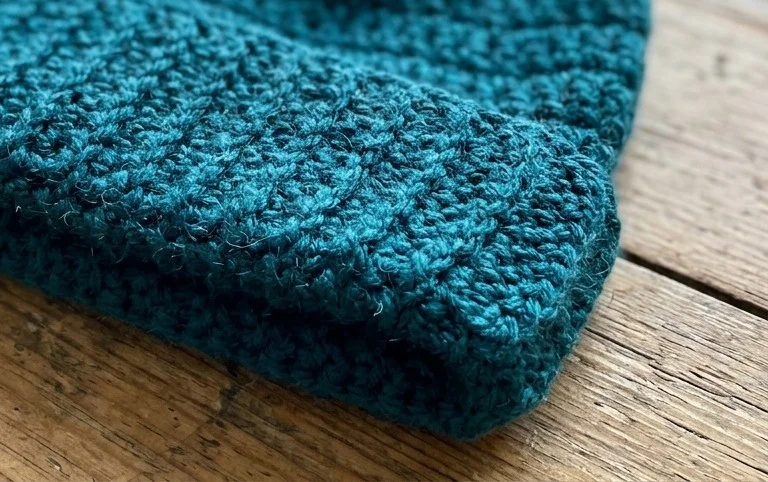
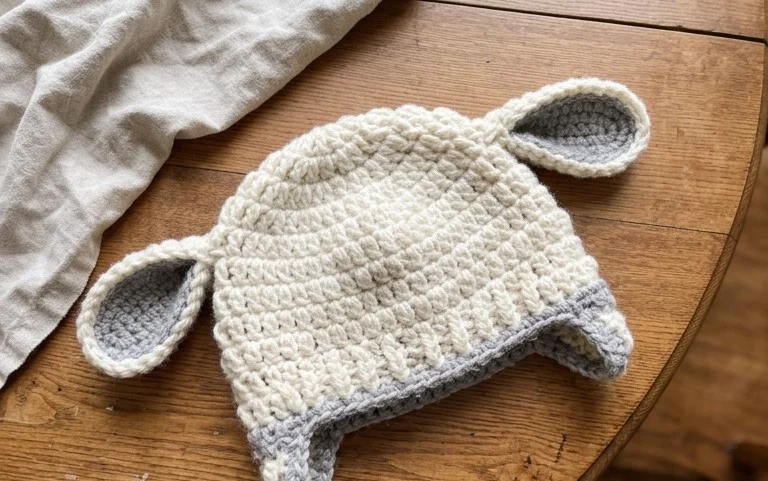
Your finished beanie provides warmth and a classic look that lasts through every winter season. For a different texture, try switching to a soft wool blend or add a faux fur pompom to the crown for a finished professional touch. Posting a photo of your work on Instagram helps others see how your unique color choices turn out. Feel free to browse through the rest of the blog for more accessible, step-by-step clothing designs that help grow your handmade wardrobe throughout the year.