Easy Twist Headband Crochet Pattern: Step-by-Step Guide
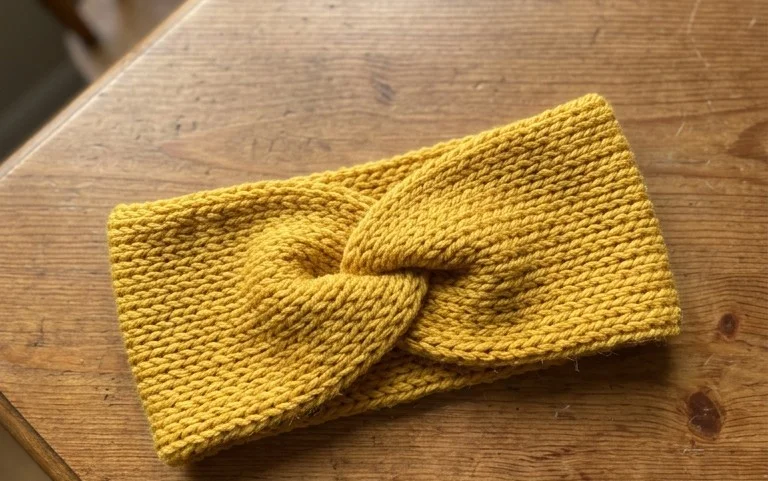
A soft headband keeps hair out of your face during chilly morning walks or while you handle daily chores around the house. This design features a distinctive twisted front that adds a bit of style to your wardrobe without requiring complicated stitches or advanced skills. Beginners often find that the repeating rows provide a meditative rhythm, while experienced makers appreciate how quickly this accessory comes together in an hour or two. You will rely on basic foundation chains and simple double crochet techniques to build the fabric, resulting in a cozy, flexible accessory that fits most head sizes comfortably.
Why You’ll Love This Pattern
This classic crochet dishcloth is designed to be the ultimate workhorse in your kitchen. The combination of single crochet and half double crochet stitches creates a dense, scrubby texture that stands up to heavy-duty cleaning while remaining soft enough for glassware. It is a fantastic project for using up leftover cotton yarn from larger projects, as each cloth requires less than one ounce of fiber. Because the pattern relies on a simple, repeating stitch sequence, it works up quickly in one or two sittings, making it a reliable choice for last-minute gifts or stocking your own supply of sustainable household essentials.
I managed to finish three of these in one afternoon while watching a movie. The texture is much thicker than the cheap store-bought versions and they hold up perfectly in the wash.
— Sarah, home crafter
Pattern Overview & Skill Level
- Skill Level: Beginner
- Approximate Time: 45–60 minutes per cloth
- Construction: Worked in flat rows using a simple back-and-forth technique
- Finished Dimensions: 8 inches by 8 inches
Materials & Supplies Needed
- Yarn: Worsted weight (#4) 100% cotton yarn, approximately 60 yards per cloth. Cotton is essential here for its high absorbency and heat resistance.
- Hook Size: 5.0 mm (US H-8) crochet hook.
- Notions needed: Tapestry needle for weaving in ends, sharp scissors.
- Safe yarn substitutions: You may use a cotton-linen blend for increased durability and a more rustic texture. Avoid acrylic yarns, as they are not absorbent and will melt if they come into contact with a hot pan.
Stitch Guide & Abbreviations (US Terms)
- ch = chain
- sc = single crochet: insert hook into stitch, yarn over, pull up loop, yarn over, pull through two loops on hook.
- hdc = half double crochet: yarn over, insert hook into stitch, yarn over, pull up loop, yarn over, pull through all three loops on hook.
- st/sts = stitch/stitches
- sl st = slip stitch
- turn = turn your work to begin the next row
Step-by-Step Pattern Instructions
The entire dishcloth is worked in rows. You will start with a foundation chain and then alternate between rows of single crochet and half double crochet to create the signature scrubby texture.
Dishcloth Body
- Foundation: Ch 30.
- Row 1: Sc in the second ch from the hook and in each ch across. Turn. (29 sts)
- Row 2: Ch 2, hdc in each st across. Turn. (29 sts)
- Row 3: Ch 1, sc in each st across. Turn. (29 sts)
- Rows 4–30: Repeat Rows 2 and 3 until the piece reaches a square shape of approximately 8 inches.
- Finishing: Fasten off, leaving a 6-inch yarn tail. Use your tapestry needle to weave the end securely back through the stitches.
Care & Washing Instructions
- Machine wash on a warm setting (up to 140°F) to ensure proper hygiene.
- Tumble dry on low heat or lay flat to dry to maintain the integrity of the cotton fibers.
- Reshape the cloth by pulling gently on the corners while it is damp if it has become distorted from heavy scrubbing.
Pro Tips & Common Mistakes to Avoid
Maintain consistent tension: Cotton yarn has very little stretch. If your stitches are too tight, the fabric will become stiff and board-like. Aim for a relaxed grip on your yarn to ensure the finished cloth remains pliable.
Use a stitch marker: Because it is easy to miss the final stitch in a row, place a stitch marker in the first stitch of each row to help you identify exactly where to place your last stitch when you return to that side.
Weaving ends: When finishing, weave your tail back and forth through at least three different rows of stitches. This prevents the end from popping out after the first wash cycle.
Adjusting size: You can easily change the width by adding or subtracting from your initial foundation chain. Keep in mind that for every 5 stitches added, you will need approximately 10 extra yards of yarn.
Frequently Asked Questions
Can I use a larger hook for this pattern?
Yes, using a larger hook will result in a more open, lacy texture. However, the cloth will be less effective for scrubbing, so we recommend sticking to the 5.0 mm hook for a tighter, more functional weave.
Is this pattern suitable for complete beginners?
Absolutely. This pattern only requires two basic stitches and involves no increasing or decreasing, making it the perfect choice to practice keeping your edges straight.
Can I sell the finished dishcloths?
You are welcome to sell physical items made from this pattern, provided you credit the designer. Please note that you cannot redistribute or sell the digital pattern file itself.
Why is cotton the best choice for this project?
Cotton is a plant-based fiber that is naturally absorbent and heat-safe. Synthetic fibers like acrylic or polyester do not hold water well and can melt or deform when used to clean hot kitchen surfaces.
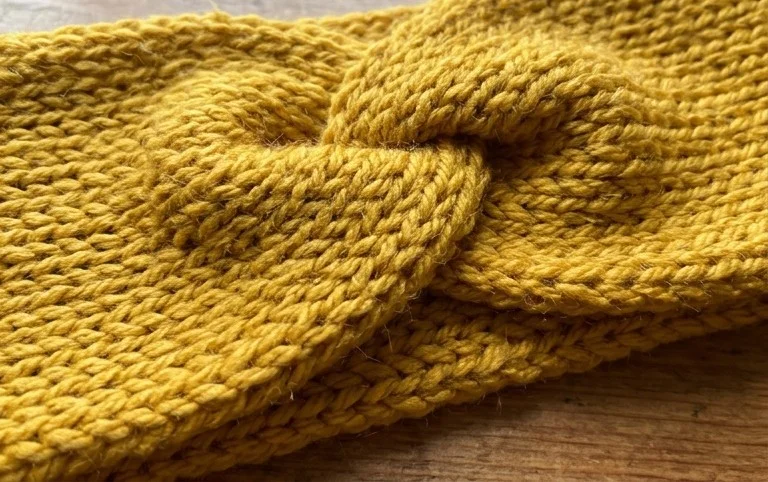
Your finished headband provides a warm and stylish way to manage your hair on windy days. Try using a variegated wool yarn to create an interesting color shift effect or add a decorative button at the twist point for a custom look. I enjoy seeing how different crafters personalize these accessories, so post a photo of your work on social media when you finish. Feel free to browse the rest of the blog for more simple, handmade projects that you can finish in a single afternoon.